

австрийский музыкант Юлиан Рахлин во время исполнения «Концерт для скрипки с оркестром ми минор» (соч. 64) Ф.Мендельсона (исполняет Государственный академический симфонический оркестр Республики Беларусь).
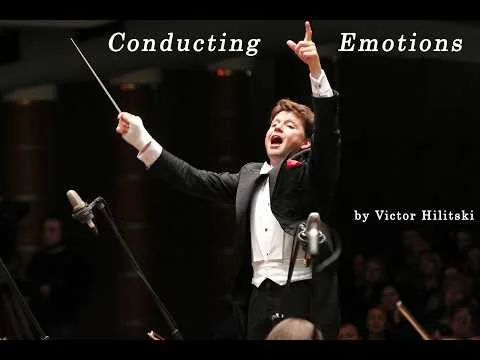
Conducting Emotions project by Victor Hilitski
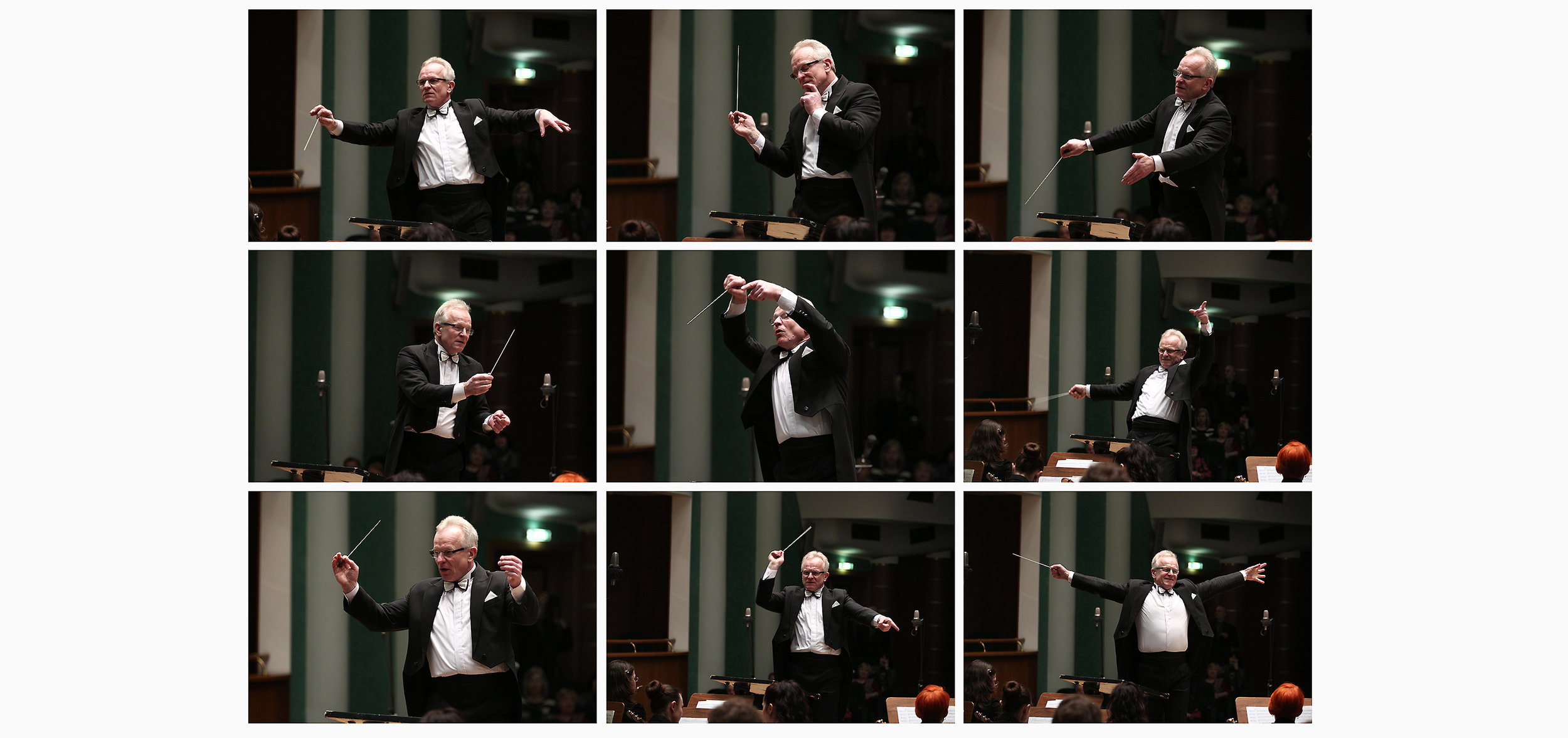
Николай Алданов, художественный руководитель и главный дирижер оркестра народных инструментов им. Л. Иванова Могилёвской областной филармонии, исполняет композицию «Русский вальс» Е. Дербенко.
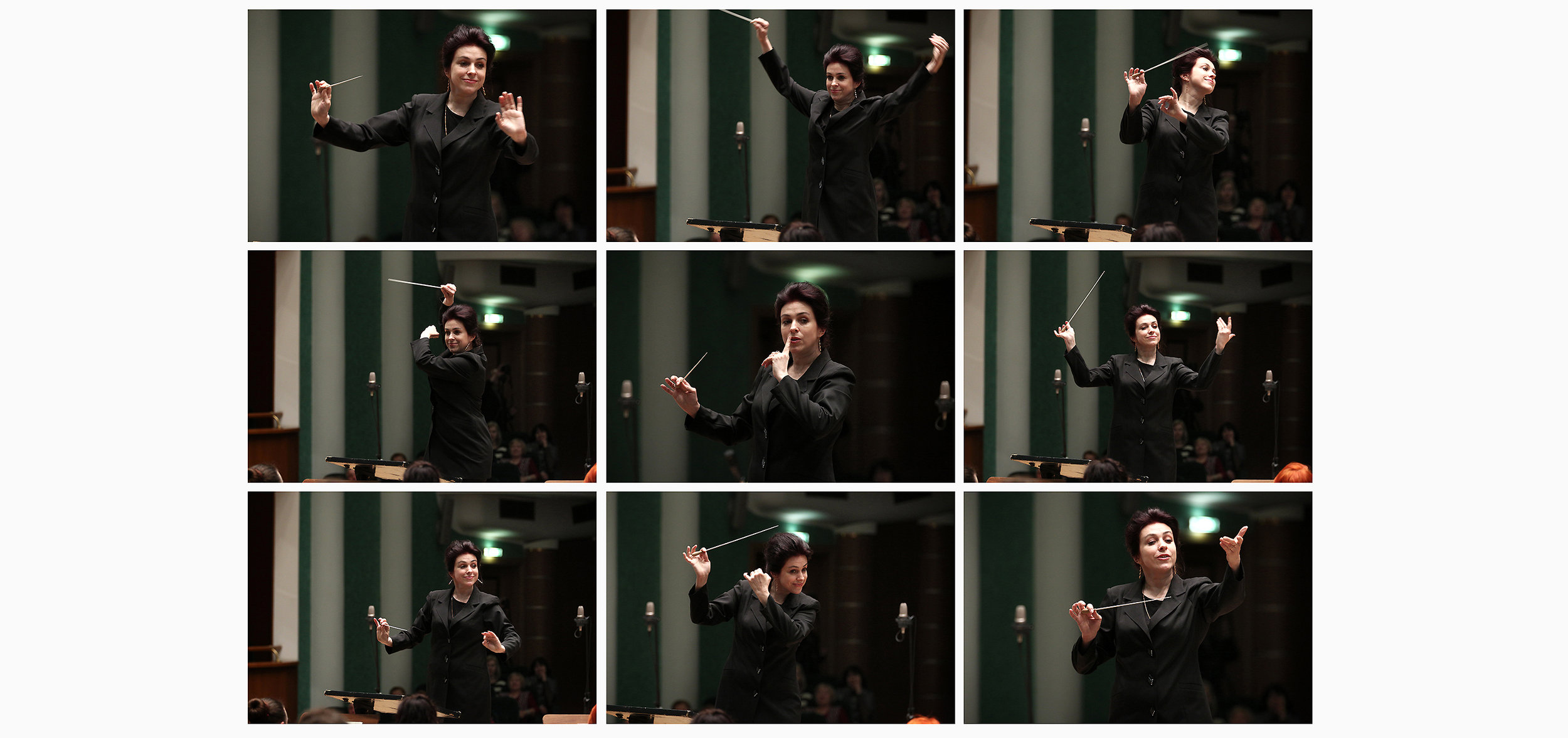
Дирижёр Ольга Соловей во время исполнения испанского болеро Винченцо Ди Кьяра «Гордая прелесть осанки» (Bolero La Spagnola)

Художественный руководитель и главный дирижер Государственного камерного оркестра Республики Беларусь - заслуженный артист России Евгений Бушков во время исполнения Б. Бриттен «Вариации на тему Фрэнка Бриджа для струнного оркестра»
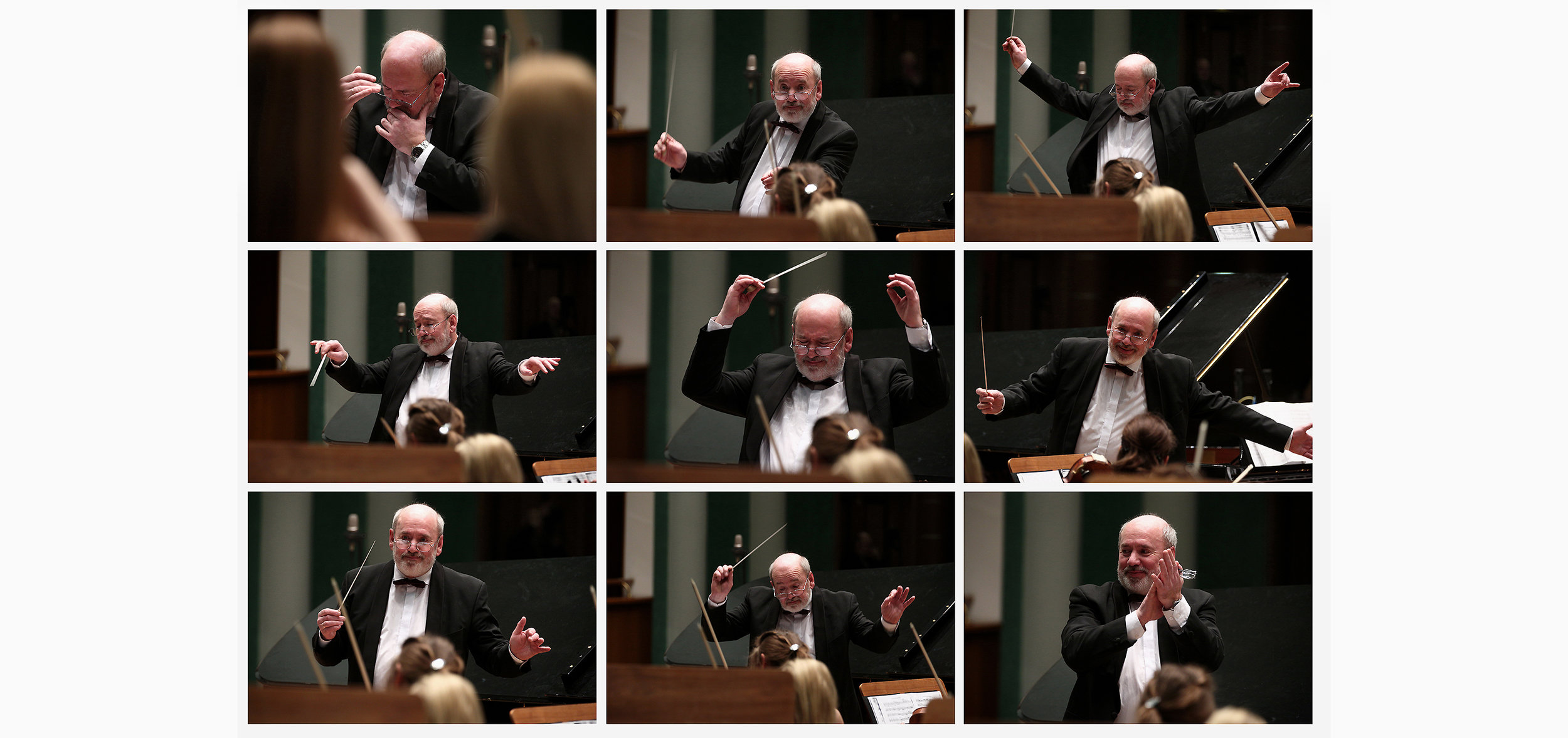
Пётр Вандиловсикй, Заведующий кафедрой оркестрового дирижирования Белорусской Академии Музыки, во время исполнения «Грустного вальса» (ор. 44) Яна Сибелиуса (исполняет Камерный оркестр Белорусской государственной академии музыки).
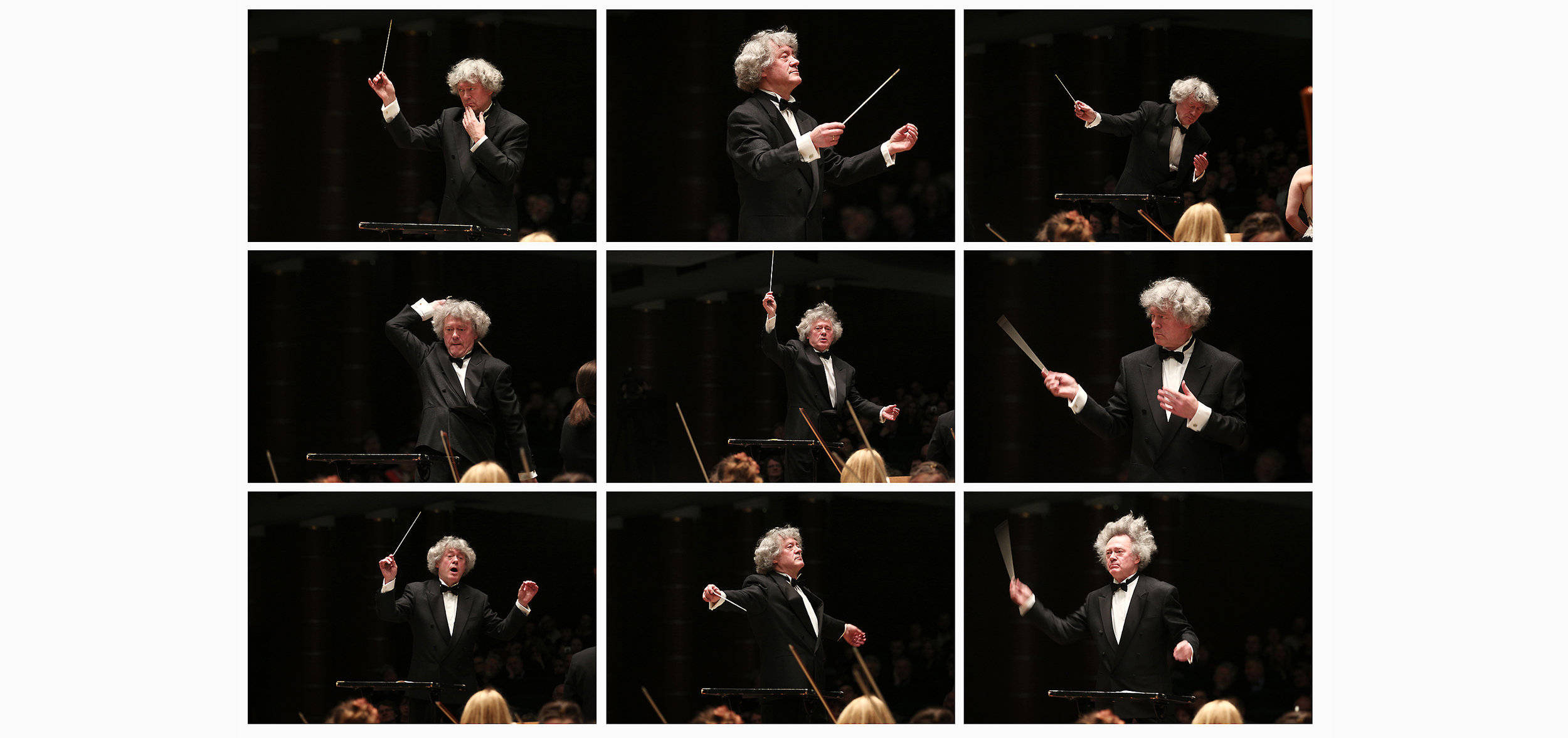
Дирижер - народный артист Беларуси Александр Анисимов во время исполнения "Паяцы" Р.Леонкавалло (опера в концертном исполнении), Государственный академический симфонический оркестр Республики Беларусь
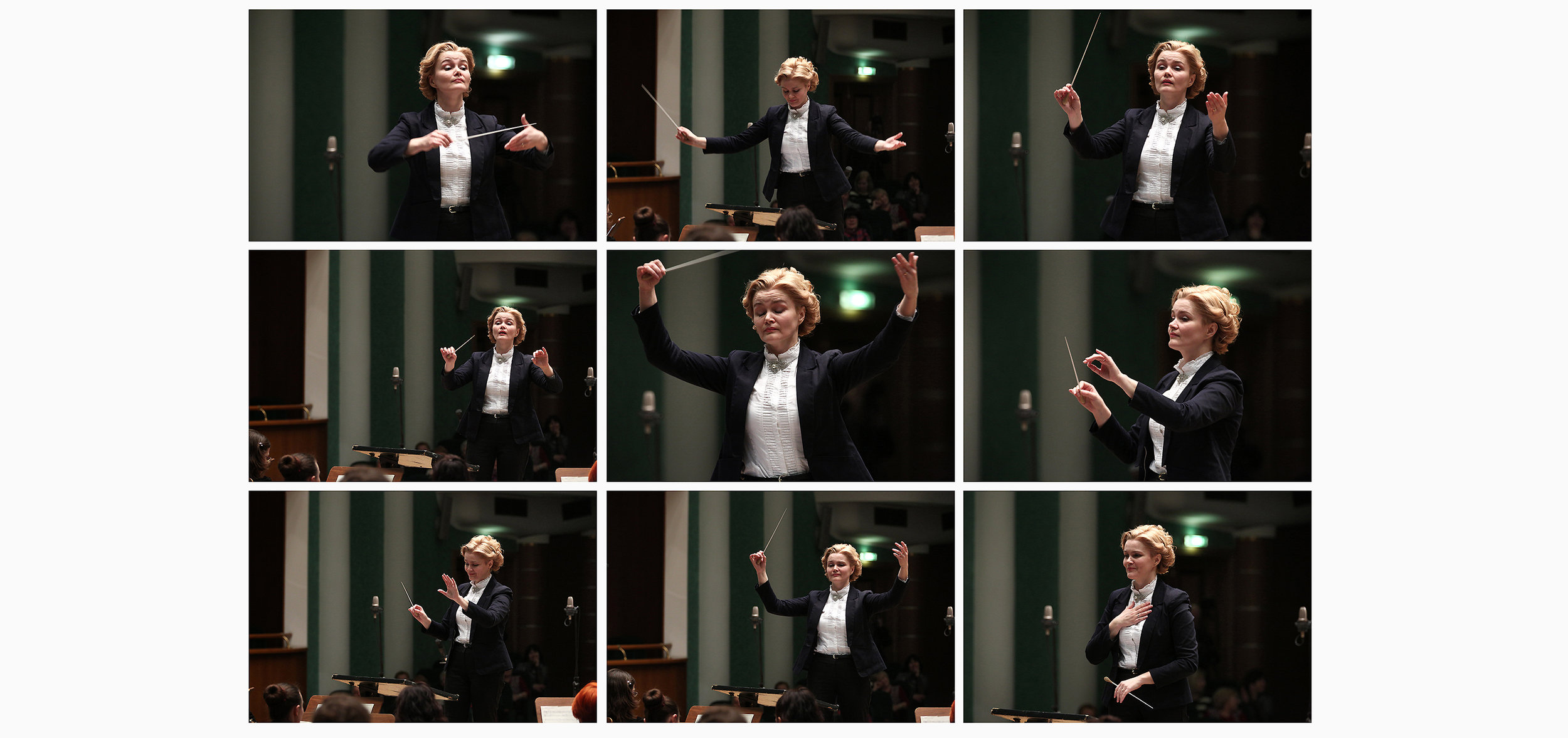
Произведение Дж. Каччини "Аве Мария" исполняет Государственный академический симфонический оркестр Республики Беларусь под руководством дирижёра Кирановой Ольги.
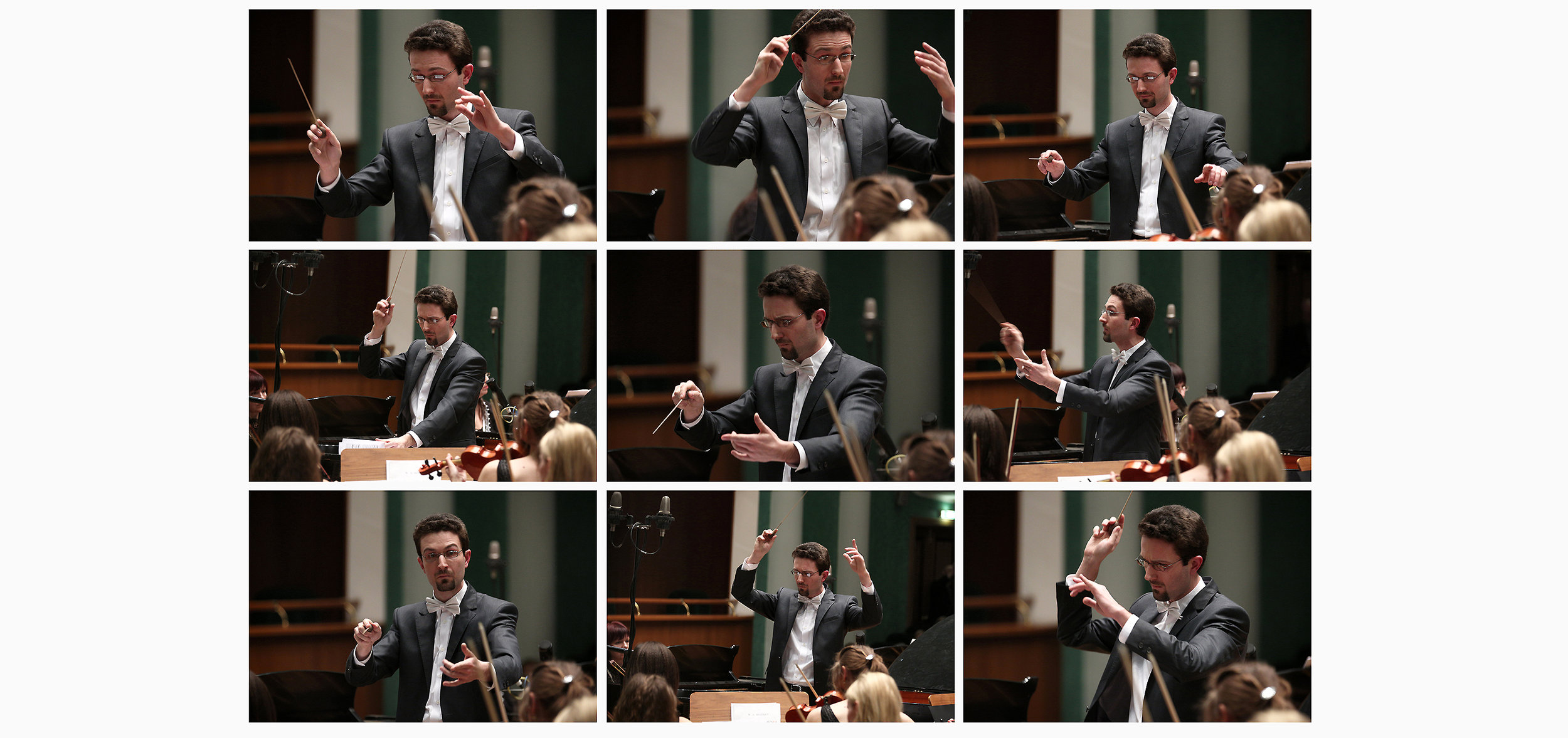
Артём Мельников во время исполнения Дивертисмента для струнного оркестра си-бемоль мажор Allegro assai Вольфганга Амадея Моцарта (исполняет Камерный оркестр Белорусской государственной академии музыки).
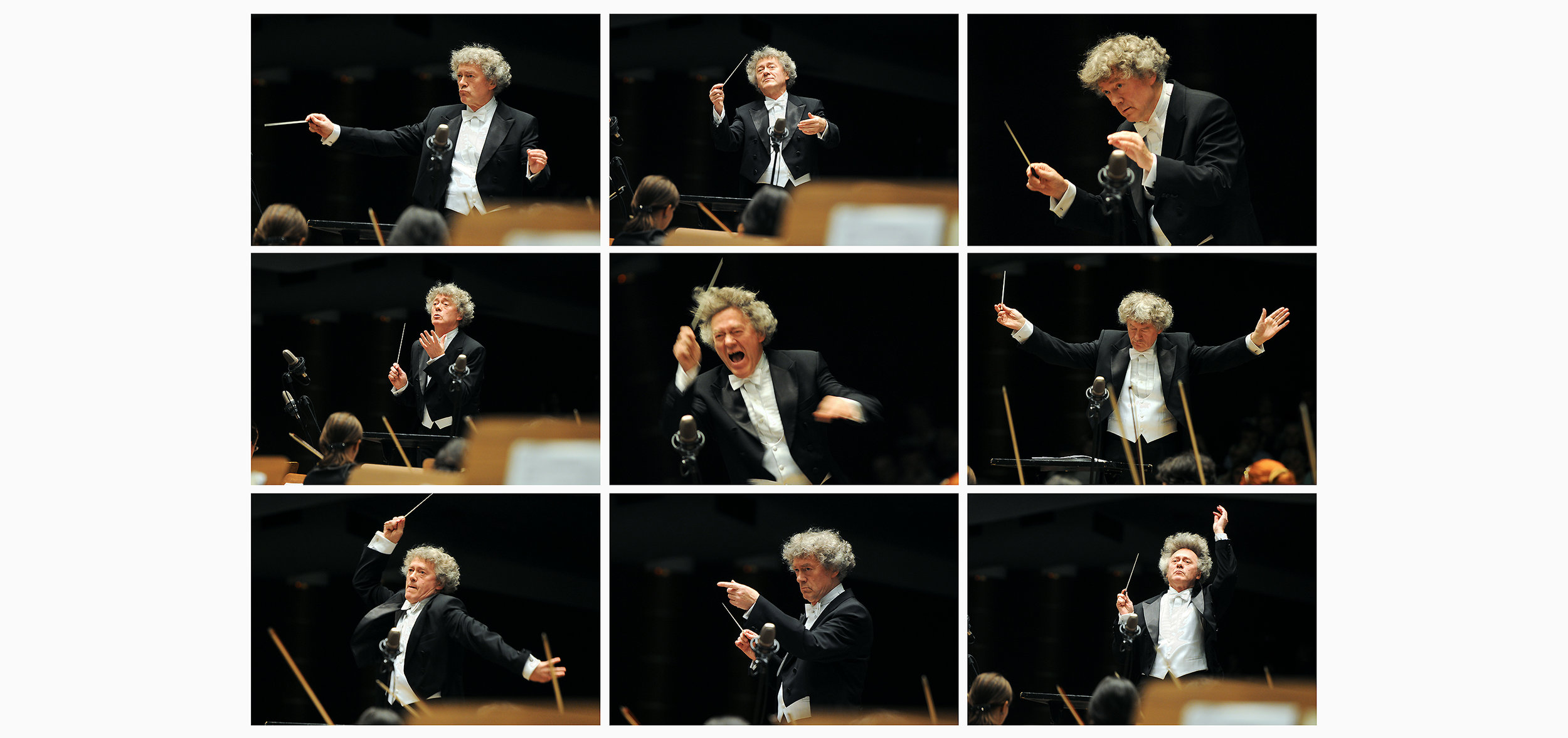
Художественный руководитель и главный дирижёр симфонического оркестра Белорусской государственной академии музыки - Александр Анисимов во время исполнения увертюры-фантазии «Ромео и Джульетта» П.Чайковского
_______________________________
Art-director and chief conductor of the Belarusian Symphony Orchestra - Alexander Anisimov during runtime overture-fantasy "Romeo and Juliet" by Tchaikovsky
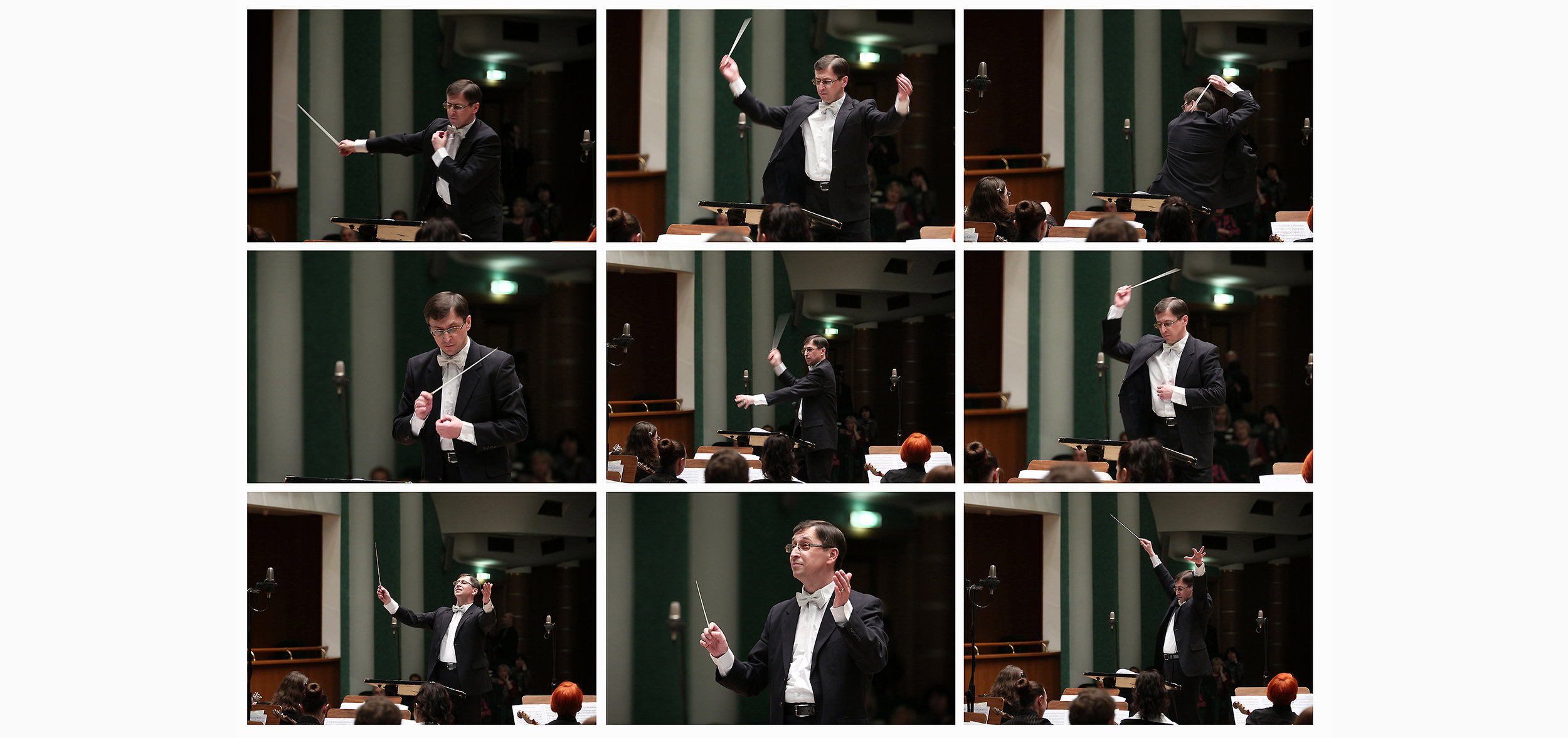
Владимир Черников, доцент кафедры оркестрового дирижирования Белорусской Государственной Академии Музыки, во время исполнения «Молдавская поэма–рапсодия» И. Шамо
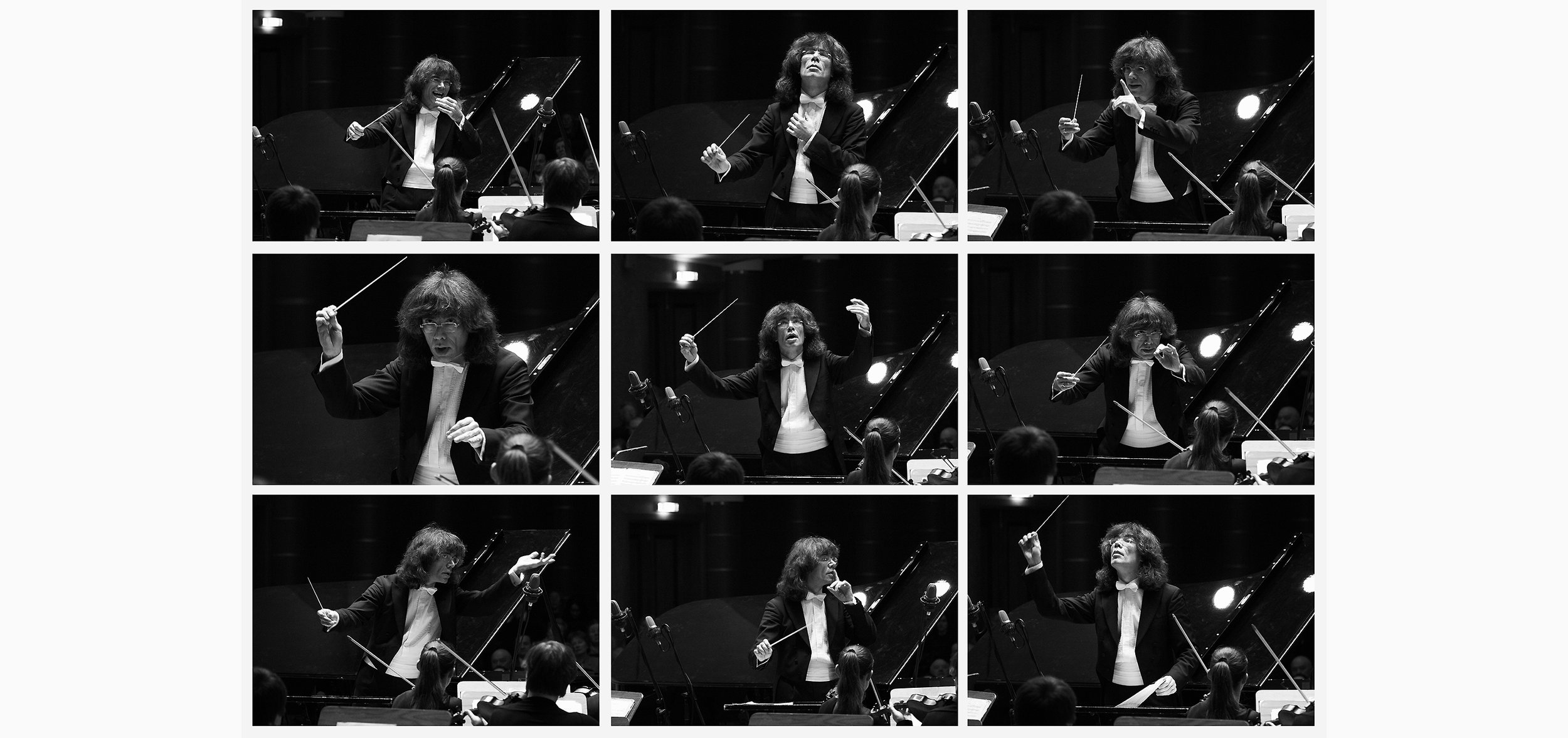
Художественный руководитель и главный дирижер Государственного камерного оркестра Республики Беларусь - заслуженный артист России Евгений Бушков во время исполнения Концерта для фортепиано с оркестром Ре-мажор Й.Гайдна.
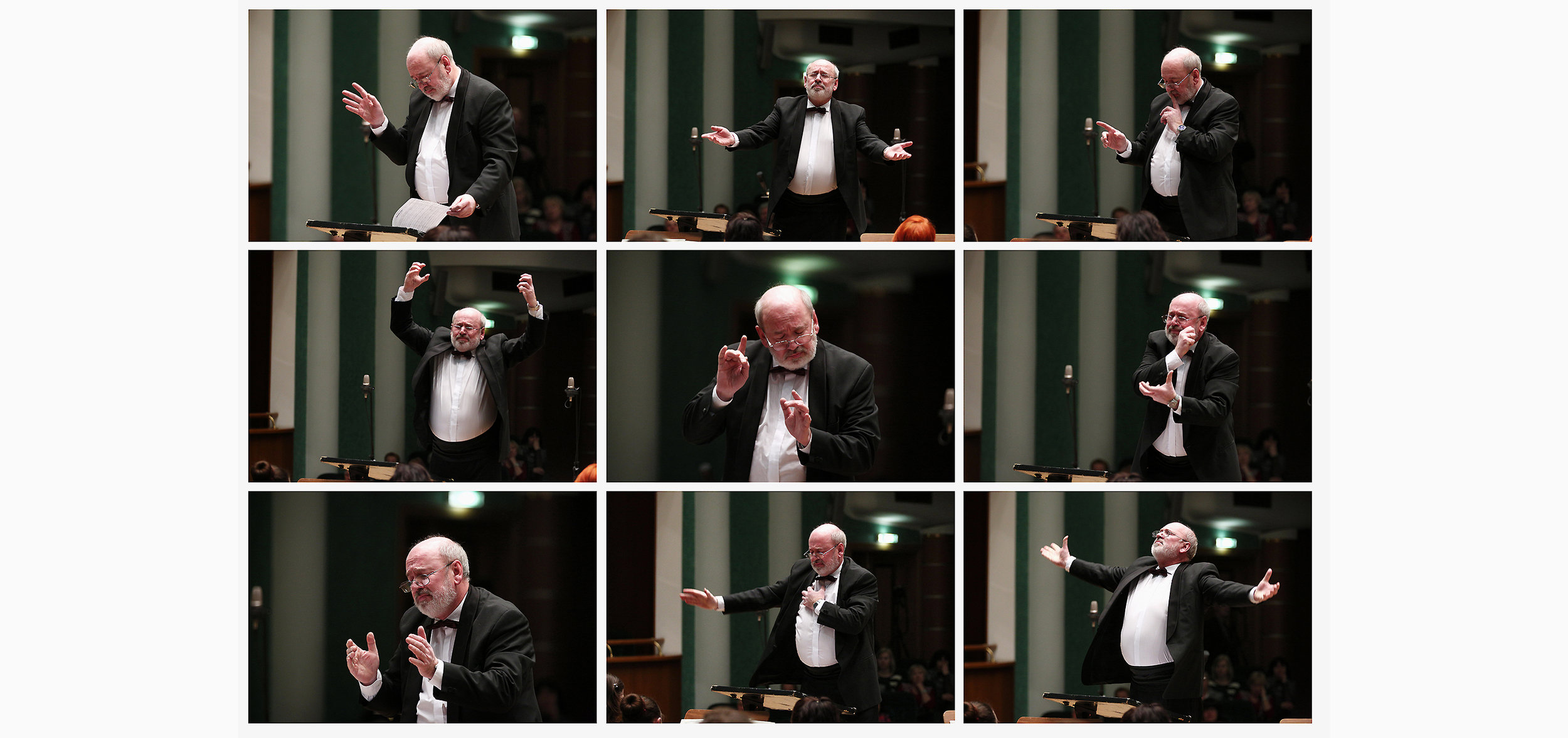
Пётр Вандиловсикй, Заведующий кафедрой оркестрового дирижирования Белорусской Академии Музыки, во время исполнения композиции «Прогулка» и Канкан из «Французского квинтета» С. Шакаряна (исполняет Камерный оркестр Белорусской государственной академии музыки).

Макеева Ольга, преподаватель кафедры концертмейстерского мастерства, во время исполнения Дивертисмента для струнного оркестра си-бемоль мажор Вольфганга Амадея Моцарта (исполняет Камерный оркестр Белорусской государственной академии музыки).

австрийский музыкант Юлиан Рахлин во время исполнения «Концерт для скрипки с оркестром ми минор» (соч. 64) Ф.Мендельсона (исполняет Государственный академический симфонический оркестр Республики Беларусь).


Conducting emotions
"...I usually say that with the end of a wand I draw whole paintings...” (Henry J. Wood, English conductor)
Classical music has always been a mystery to me. But probably it was this enigmatic nature that kept making me come back to the halls of the Philharmonic.
Any public encounter with classical pieces performed by professional musicians is a paradox, per se. On the one hand, a bursting storm of emotions rises in the listeners’ souls. On the other hand - numerous conventions and restrictions any visit to the Philharmonic is accompanied with: the dress code, moderation and accuracy of manners and behavior, a state of having your body literally "squeezed" between the armrests of a decent soft chair. To perceive and experience the effect of music, we have only ears, eyes, and imagination. We do, but not the orchestra conductor. He is the only person allowed to express himself emotionally during the performance. But, being a part of the public, we have no opportunity to watch this performance, since for most of the time the conductor faces the hall with his back. The storm of emotions, as if through a semiconductor, passes from him to the orchestra, which reproduces them in music we perceive.
The conductor’s gestures, facial expressions, and pantomime movements perform several functions. They express the reaction to the composition and indicate what we will hear. Movement and music are closely connected: tempo, rhythm, meter, and dynamics are both the elements of movement and the way it is expressed. They arise as a natural manifestation of the musician's emotionality, his "feeling" of the melody in response to what he experiences in the moment, and it is this that makes the conducting process complete, turning it into an art.
Watching the plasticity, emotions, and energy of the Philharmonic conductors, I strive to better understand the compositions, to find a response in my own emotions and the images that arise in my mind as I listen. At the same time, the photographs capture key moments of the performance; they become an attempt to synthesize the auditory and visual channels, my own way to "see" music.
As part of the exhibition, I plan to equip each photograph with a pair of headphones, and the concert recorded during the shoot will be played. Thus, the visitors would be able to “listen” to the emotional state of each conductor and try to relate his/her portrait to the fragment of the classical composition, as well as to compare those with their own impressions of the music performed.
* Please see the Russian description of the project on the last page of the gallery.